
On September 23 2026, the Gargždai Historical Museum observed the Day of Remembrance for the Victims of the Genocide of Lithuanian Jews.
This year marks the 85th anniversary of the start of the Holocaust in Lithuania. To remember and honor this painful chapter in our country’s history, the Gargždai Regional Museum is researching the history of the Jewish community that once lived in Gargždai and aims to shed light on its important role in the town’s development.
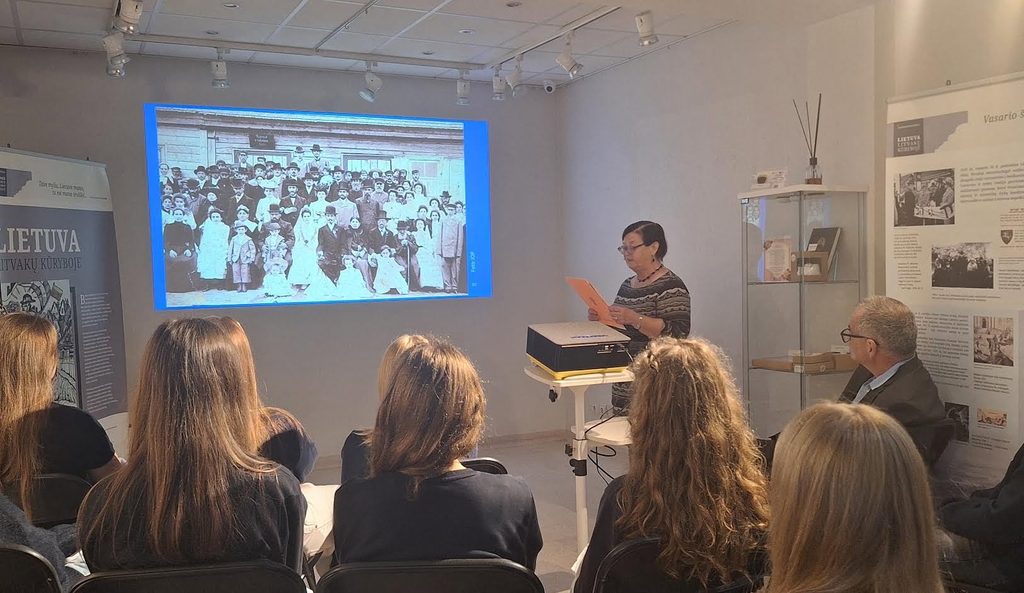
The lecture by historian Prof. Dr. Ruth Leiserowitz, which took place at the museum on September 16 2026, provided a closer look at the lives, traditions, occupations, and fates of Jewish families in Gargždai.
We would like to share some facts that were uncovered during the research and presented in the lecture:
Resistance to the Tsar’s Order
In 1836, Tsar Nicholas I prohibited Jews from living within the 50-verst border zone (approx. 55 km). However, 19 Jewish communities, including those of Gargždai and Jurbarkas, refused to comply with the order and remained living in the border area.
Changes Triggered by the Crimean War
During the Crimean War (1853–1856), the blockade of Russian ports led to the opening of the border with Prussia. Trade flourished in the border region, and with it, the local economy grew. Gargždai had long been a border town, which is why these global processes had a direct impact on the daily lives and businesses of the people living there.
Independent Women in Business
In the 19th century, Jewish women often ran their own trading businesses. In her lecture, the speaker cited several examples that illustrate this. One of them is a permit issued in 1859 by the border customs office for Mrs. Eiste Ber and her children to travel to Memel—today’s Klaipėda—for commercial purposes.
Gargždai—A Springboard to the World
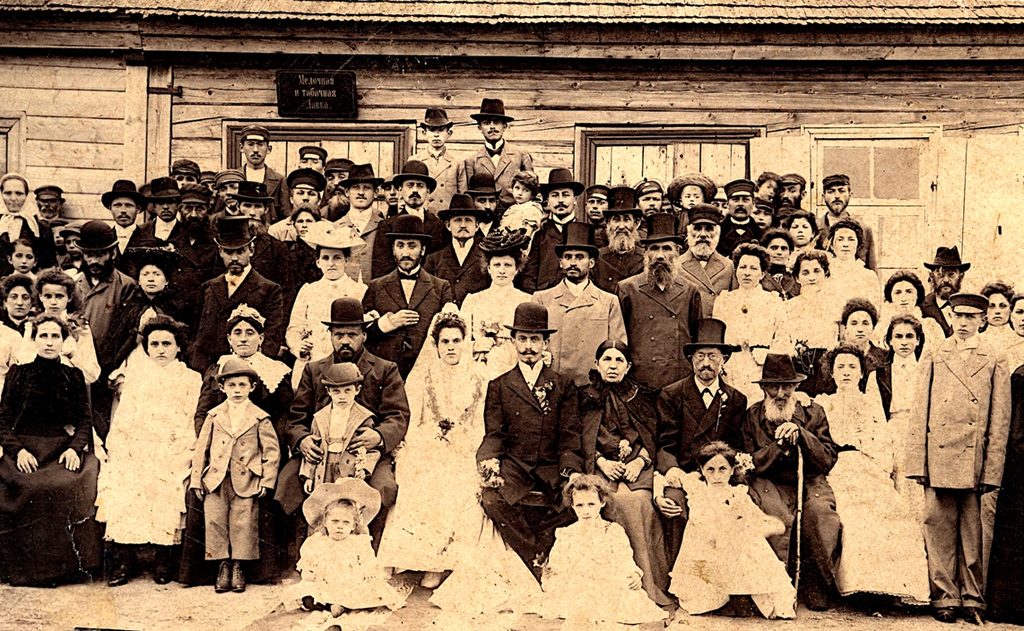
Some of the young people born in Gargždai moved away to build a life abroad. One of the brothers from the Javshitz family settled in Johannesburg, South Africa, while other family members established businesses in Memel and Germany.
“Daughters of Zion” in Gargždai
In 1905, two young women—Ms. Griks and Ms. Susmanowitz—founded the Zionist women’s association “Daughters of Zion” in Gargždai. The organization brought young people together and promoted nationalist ideas.
These and many other facts uncovered during the research help us get to know the people who lived in Gargždai better and understand what a significant part of the town’s history the Jewish community was.
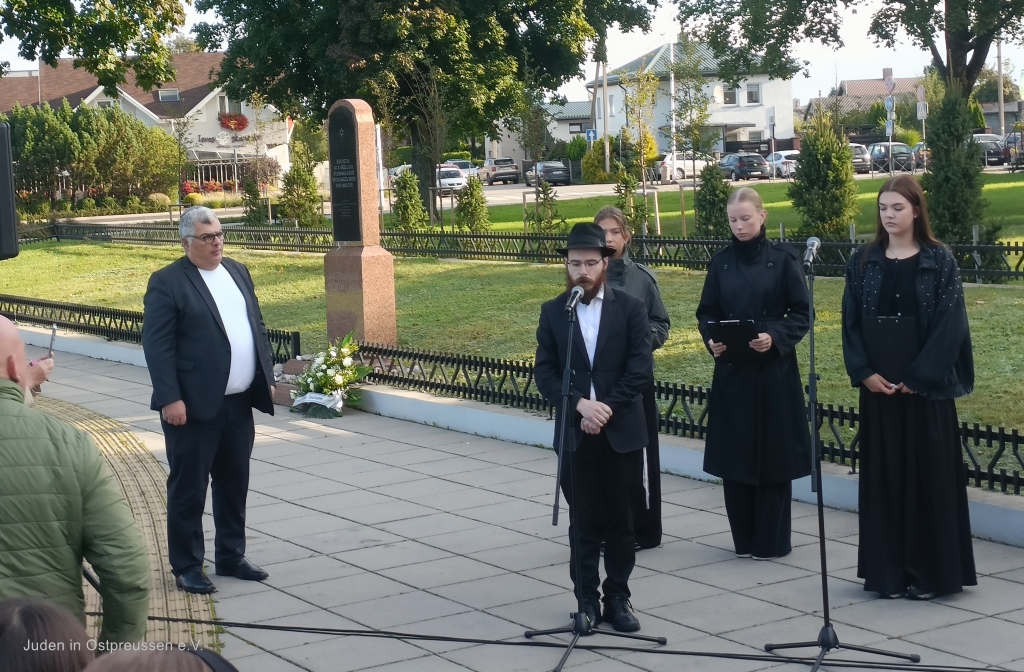
Let us preserve historical memory, commemorate the victims of the Holocaust, and ensure that their life stories are not forgotten.
Photo courtesy of the Gargždai Regional Museum. A moment from the lecture by speaker Prof. Dr. Ruth Leiserowitz. In the background—a wedding photo of Jews living in Gargždai.
Facebook post of Gargždų krašto muziejus
#KlaipedaUniversity #RuthLeiserowitz