
What happened to the Jews in Memel, and what were the consequences for the city following the annexation in 1939?
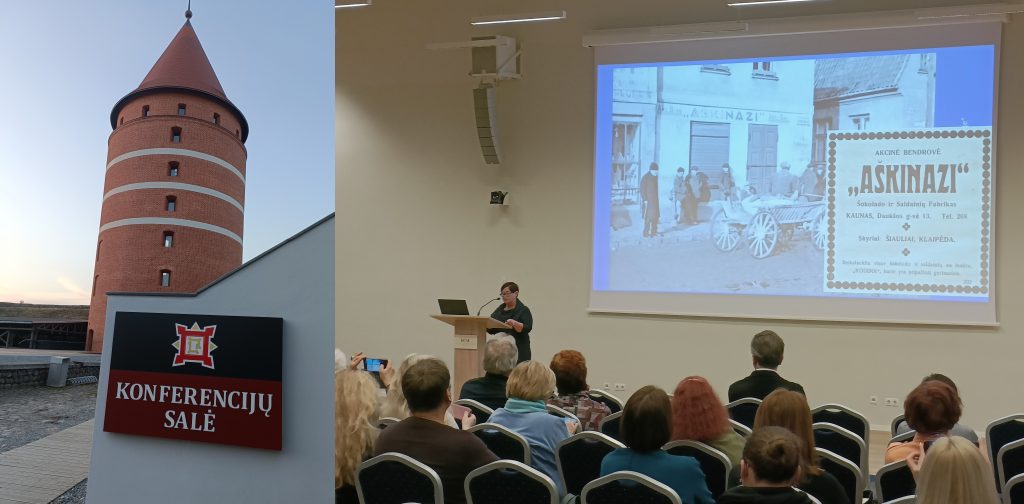
March 23 2026: Professor Ruth Leiserowitz of Klaipėda University discussed this topic in a lecture marking the anniversary of the annexation of the Memel Region to the German Reich in 1939. For her lecture on the events of that time, she made use of publicly accessible national and international sources—such as address books and press reports. A publication on this topic is planned for the future. In this article, the German and Yiddish name “Memel” is used interchangeably with the Lithuanian name “Klaipeda.”
Some aspects from the lecture:
1) Since 1958, a seemingly peaceful myth—based on the testimony of former Mayor Dr. Wilhelm Brindlinger at the Ulm trial—has shaped the narrative surrounding the events of that time. In essence, he stated that the Jews of Memel left the city within 10 days and that he was proud that the people of Memel had behaved with dignity and without hostility during this process. In his opinion, not a single Jew had been harmed.
2) For the residents of Memel, the disappearance of the Jews was very convenient; their fate was not given any thought at the time or later. Today it is clear that most of the Memel Jews subsequently perished in the ghettos of Kaunas and Šiauliai (Schaulen).
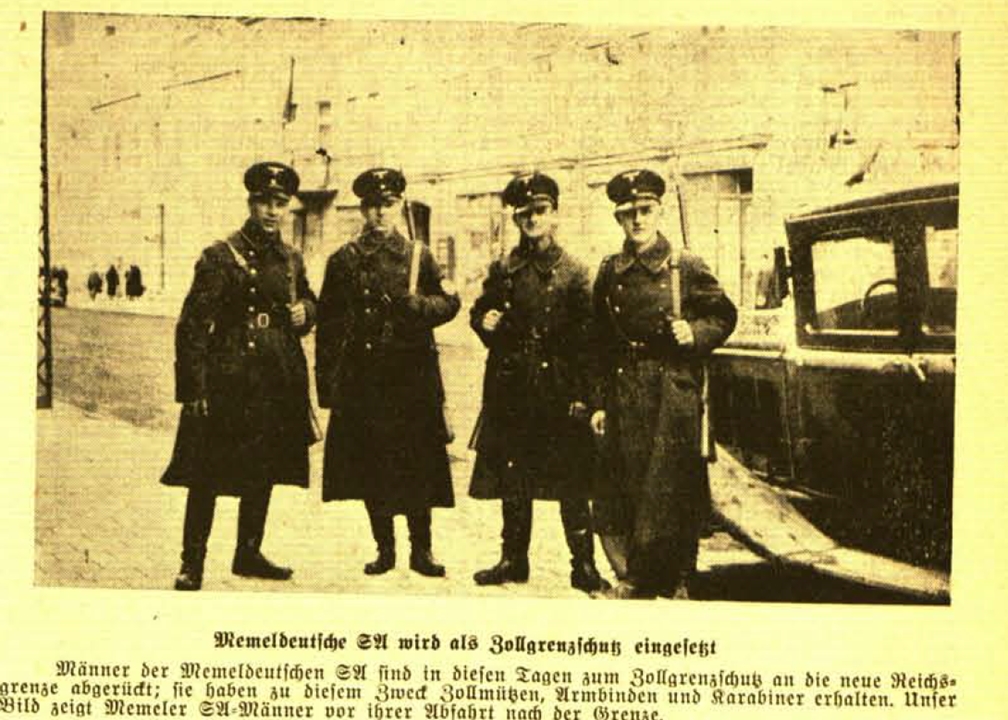
3) During the transitional period from the annexation to the formal incorporation of the Memel region, East Prussia’s Gauleiter Koch attempted—in part through unauthorised actions—to carry out within six weeks all the repressive measures against Jews that had been implemented in Germany gradually over the course of six years. He also rewarded his party comrades by, for example, immediately deploying SA troops as customs officials at the newly established border with Lithuania, where they could personally enrich themselves at the expense of departing Jews.
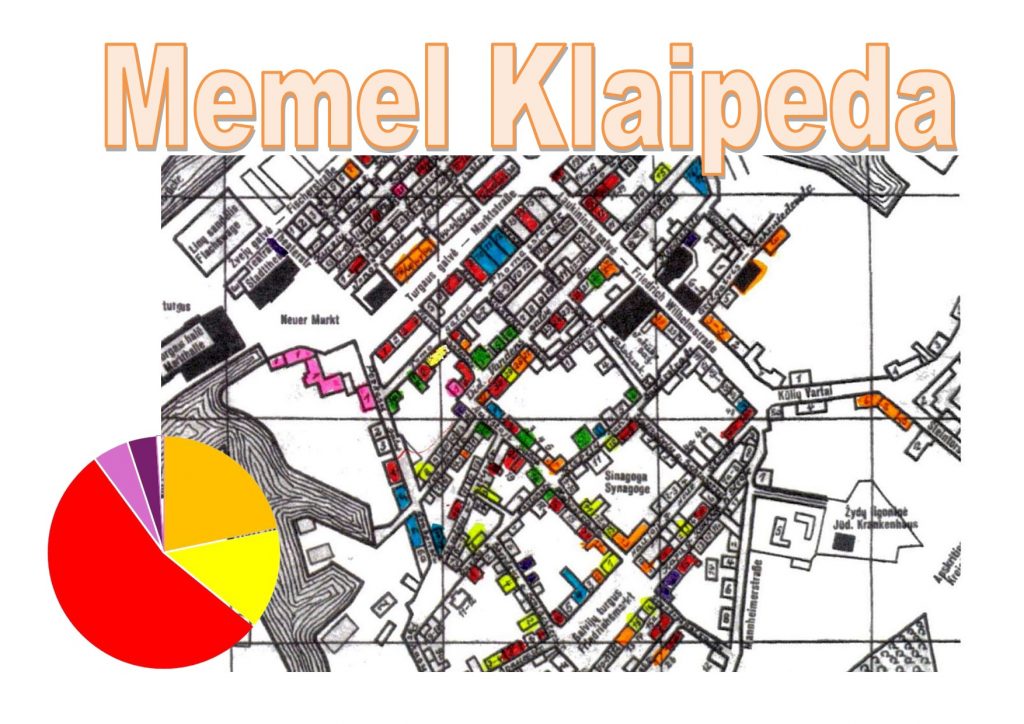
4) An examination of the documents shows that approximately 200 houses in the city of Memel changed owners between 1938 and 1942. The markings on a city map clearly indicate how closely intertwined Christians and Jews lived throughout the city.
A series of short posts by our association will now follow, to be shared on social media after the lecture. It highlights examples of which houses in Klaipėda today changed hands back then and what fate awaited the Jewish residents of Memel afterward.
Link to the series > Stories from Jewish Houses <
Prof. Dr. Ruth Leiserowitz’s presentation
Conference Hall of the Castle Museum at 2026 March 23 at 5:30 pm, Priešpilio St. 2, Klaipėda
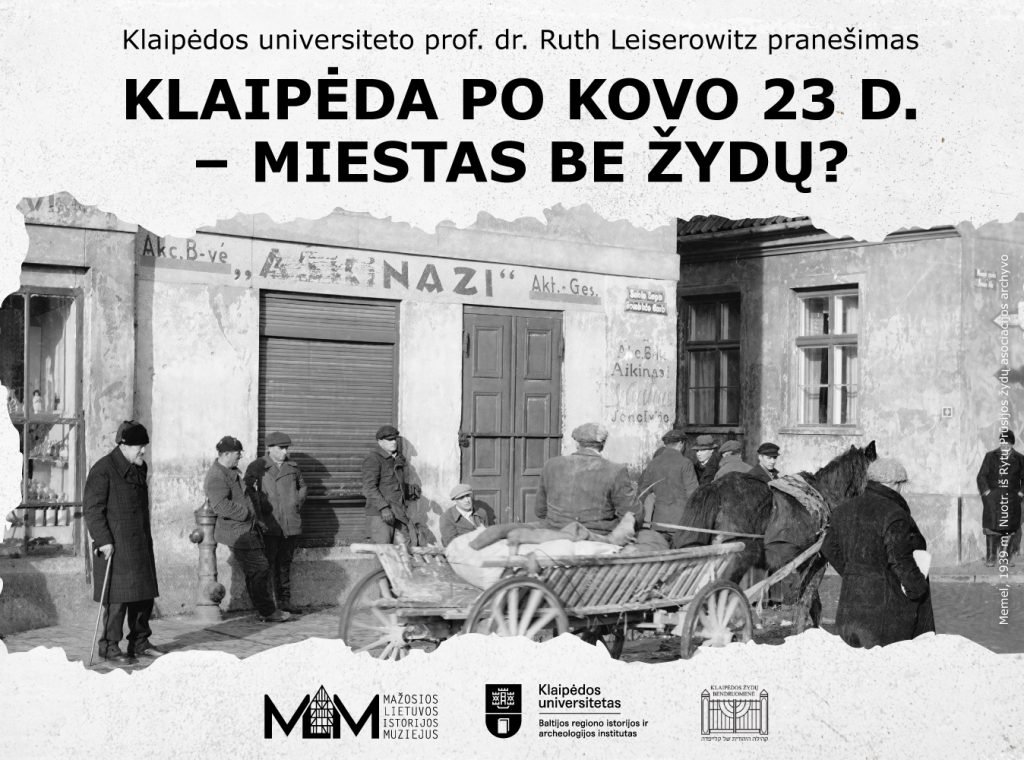
“KLAIPĖDA / MEMEL AFTER MARCH 23 – A CITY WITHOUT JEWS?”
Event organizers and partners: Museum of the History of Lithuania Minor, Institute of Baltic Region History and Archaeology at Klaipėda University, Klaipėda Jewish Congregation.