
Series of short articles on the radical changes in Jewish home ownership from 1938 to 1942 in Memel / Klaipeda
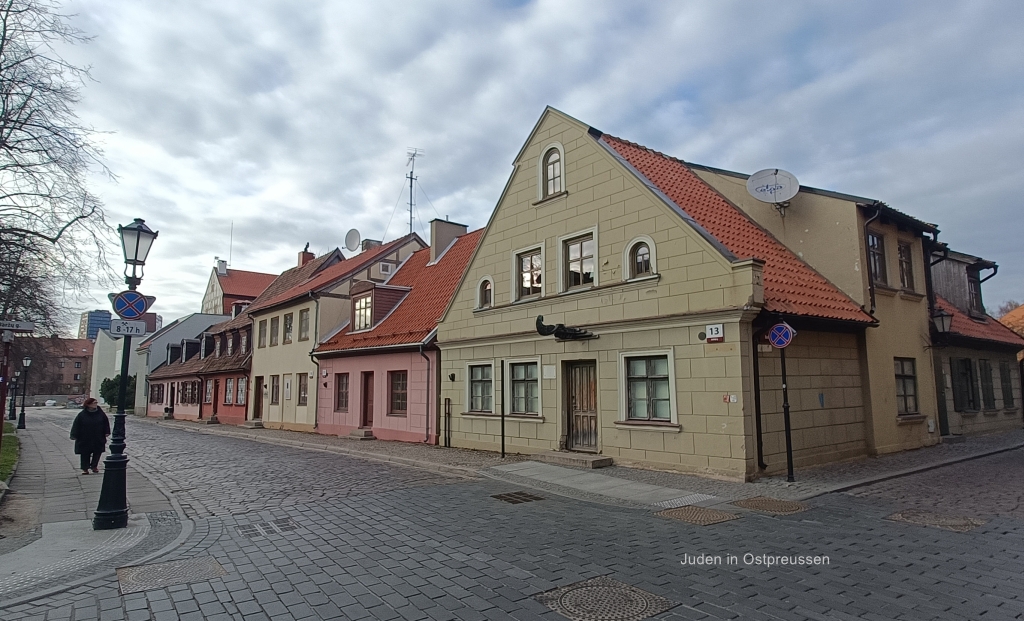
Memel Klaipeda: Hohe Straße 6–8 (Aukštoji g. 11, 13) The houses belonged to Samuel Sagenkahn. A restaurant owner in Bajohren who was originally from Salantai, he had purchased these houses as an investment. Sagenkahn had 14 children. One of the youngest was his daughter Lydia, who graduated from the Auguste-Victoria Lyceum in 1930 and then went to Frankfurt to study. With the onset of Nazi rule, she returned to Memel, married, and emigrated with her husband and child, first to the United States. Later, the family lived in Johannesburg (South Africa).
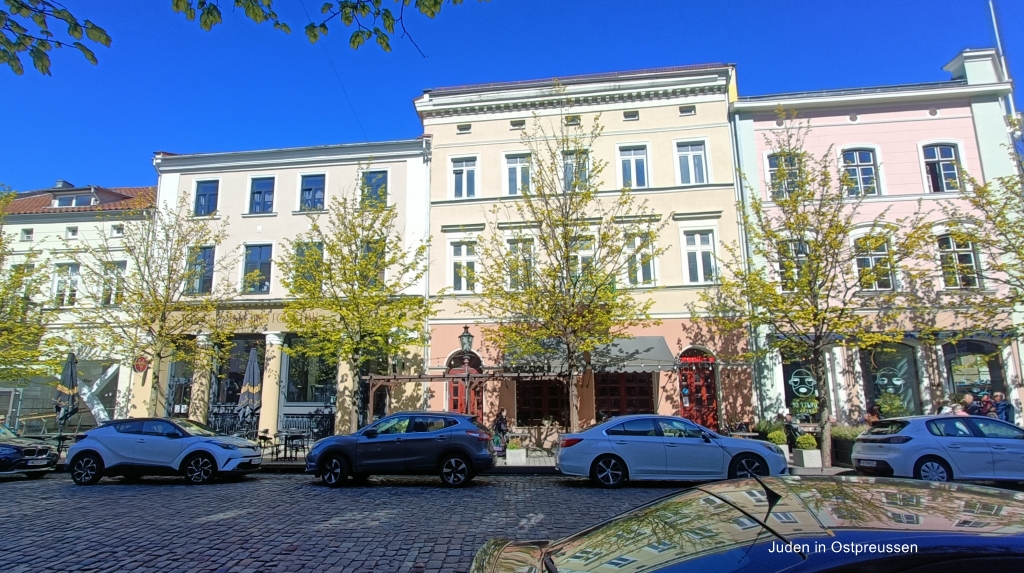
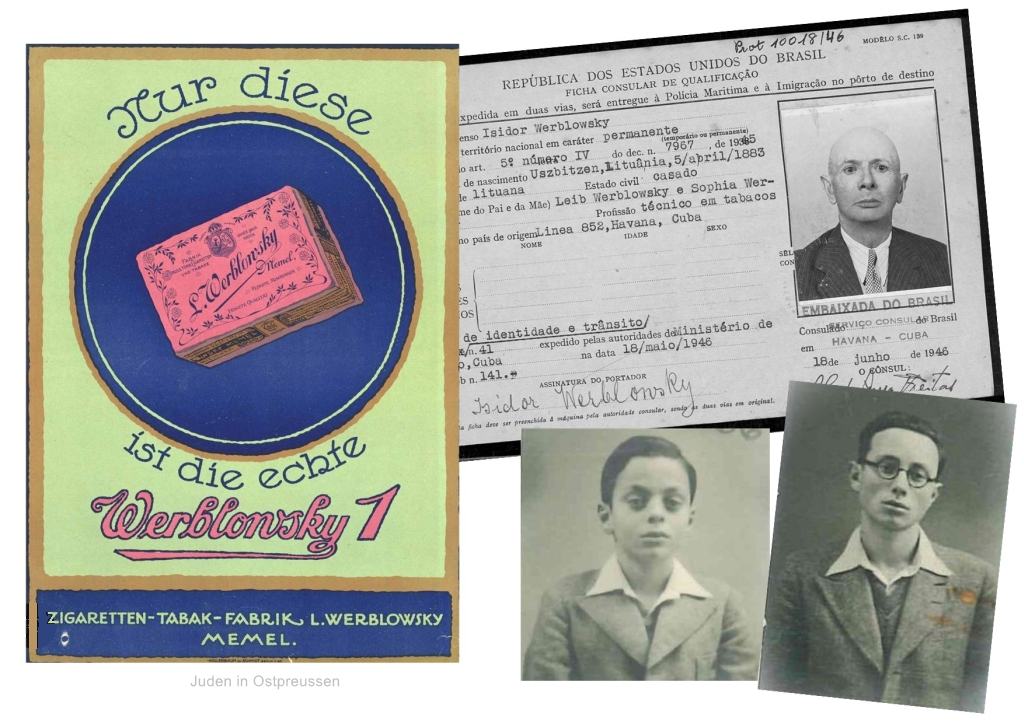
Memel Klaipeda: Markstr. 39 (Turgaus g. 17); This house belonged to factory owner Isidor Werblowsky. He lived here with his mother Sophie, his brother Simon, his wife Lydia (née Zann), and his sons Heinz and Gert. The Werblowskys were the sons and heirs of Leib Werblowsky, who had founded a cigarette factory in Memel.
At the end of October 1938, Isidor fled with his family to France and sent his sons, who were 16 and 11 years old at the time, to a Swiss boarding school. In 1940, the family was stripped of their Lithuanian citizenship. They fled to Havana. Beginning in 1946, the family lived in Brazil.
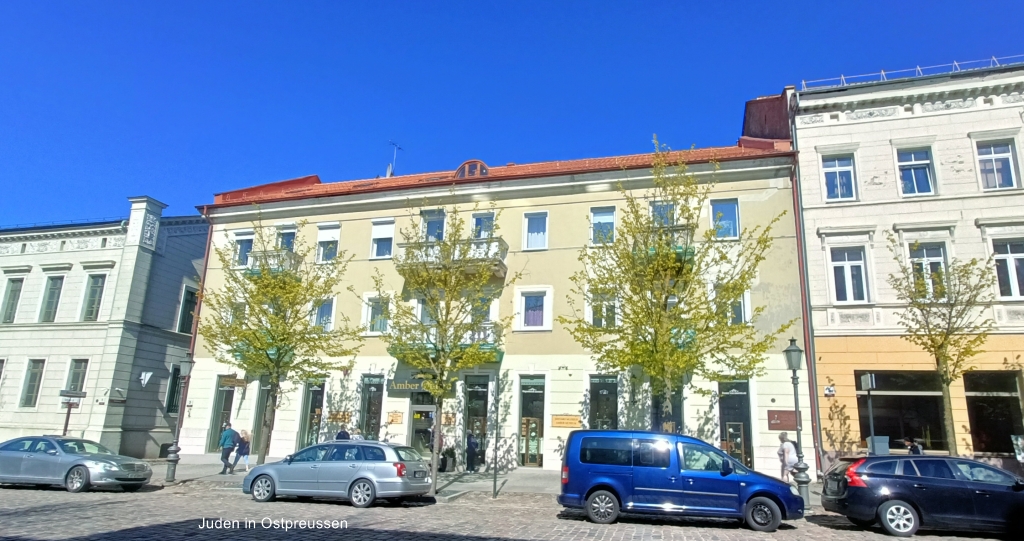
Memel Klaipeda: Marktstr. 48/49 (Turgaus g. 3); Before the spring of 1939, the building housed the “Britischer Tunnel” restaurant, the Czechoslovak Honorary Consulate, various rental apartments, and the Commercial and Credit Bank of Efim Konikoff, who also owned the building. Konikoff, who was from Riga, and his wife Mussia (née Gurjewitz), who was born in Vitebsk, had lived in St. Petersburg before the revolution,
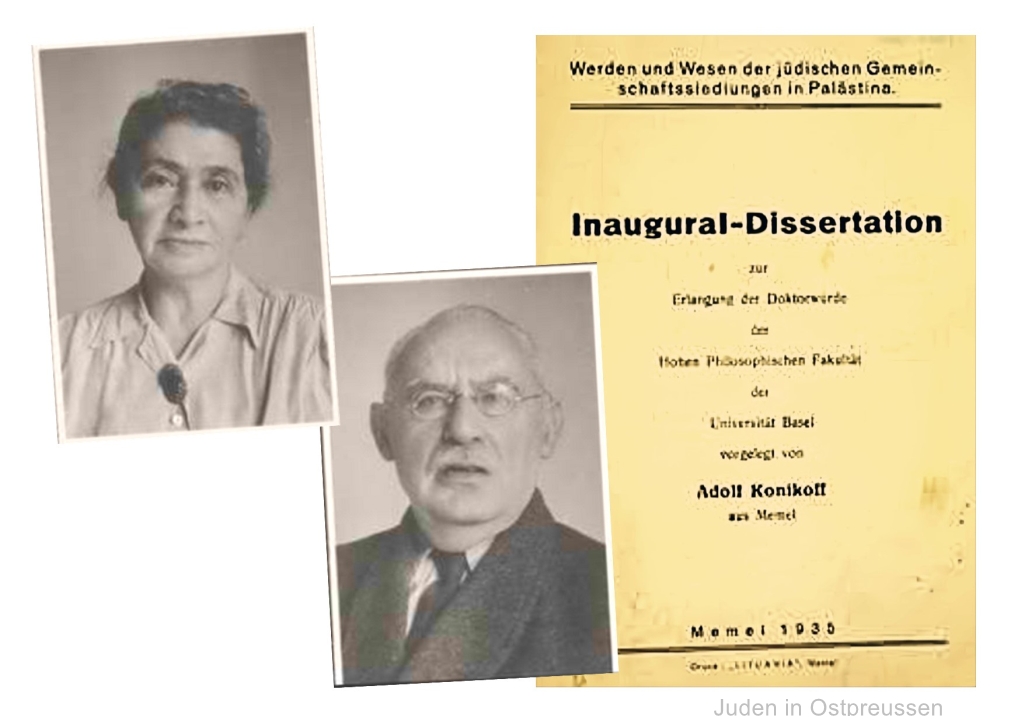
where their two sons, Alexander and Adolf (later Adia), were also born. The younger son graduated from the Luisengymnasium in 1930 and earned his doctorate in Basel in 1935; his dissertation was printed by the “Lituania” publishing house in Memel. The family emigrated to Palestine in the spring of 1939, where their son Adolf held important positions in the financial sector of the young State of Israel.
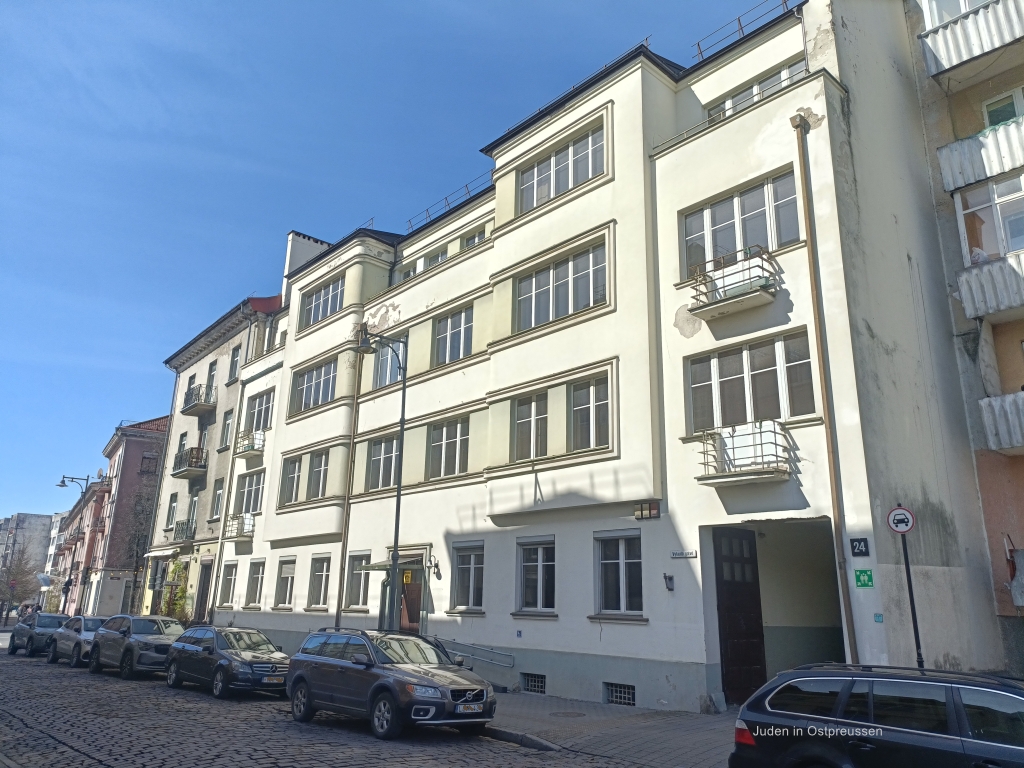
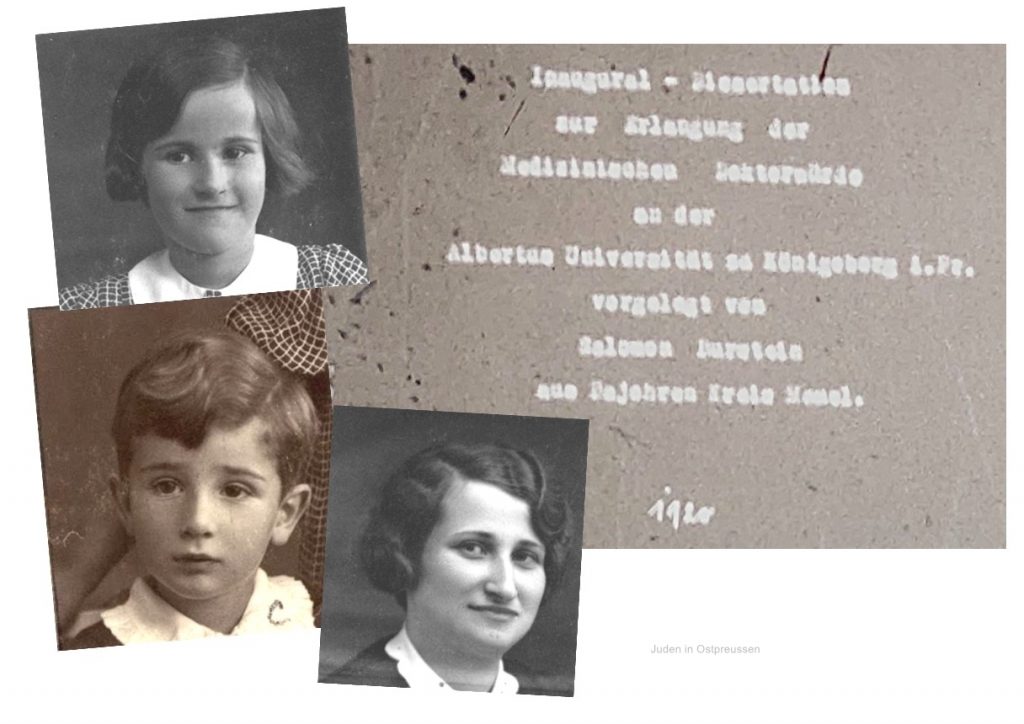
Memel Klaipeda: Roßgartenstr. 1 (Vytauto gatvė 24) This house was built in 1931 by architect Herbert Reissmann for Dr. Salomon Burstein. It housed a private clinic as well as the Burstein family’s apartment. Burstein was born in Bajohren in 1893 and completed his medical studies in Königsberg in 1921.
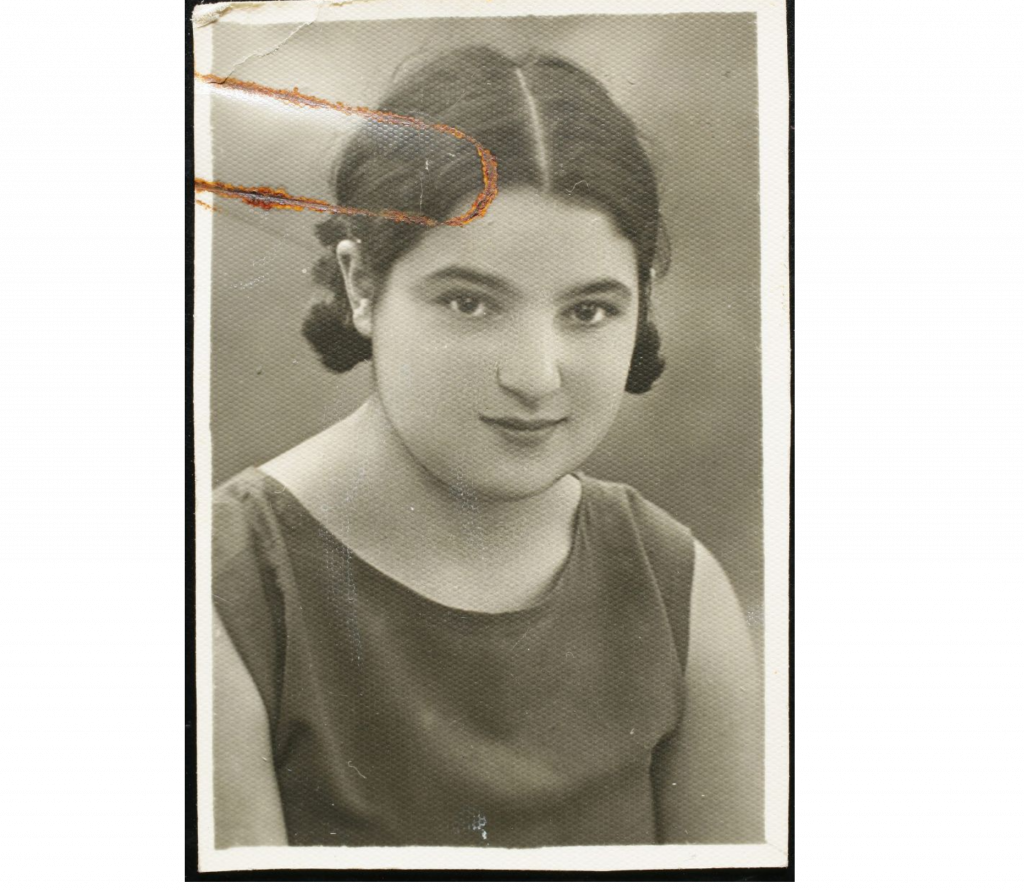
He married Hilde Herzberg from Breslau. The couple had two children, Inge (born 1928) and Herbert (born 1931). In 1939, the family fled to Kaunas. Dr. Burstein suffered a heart attack, which prevented the family from continuing their escape. All family members were murdered. Photos (c) Yad Vashem
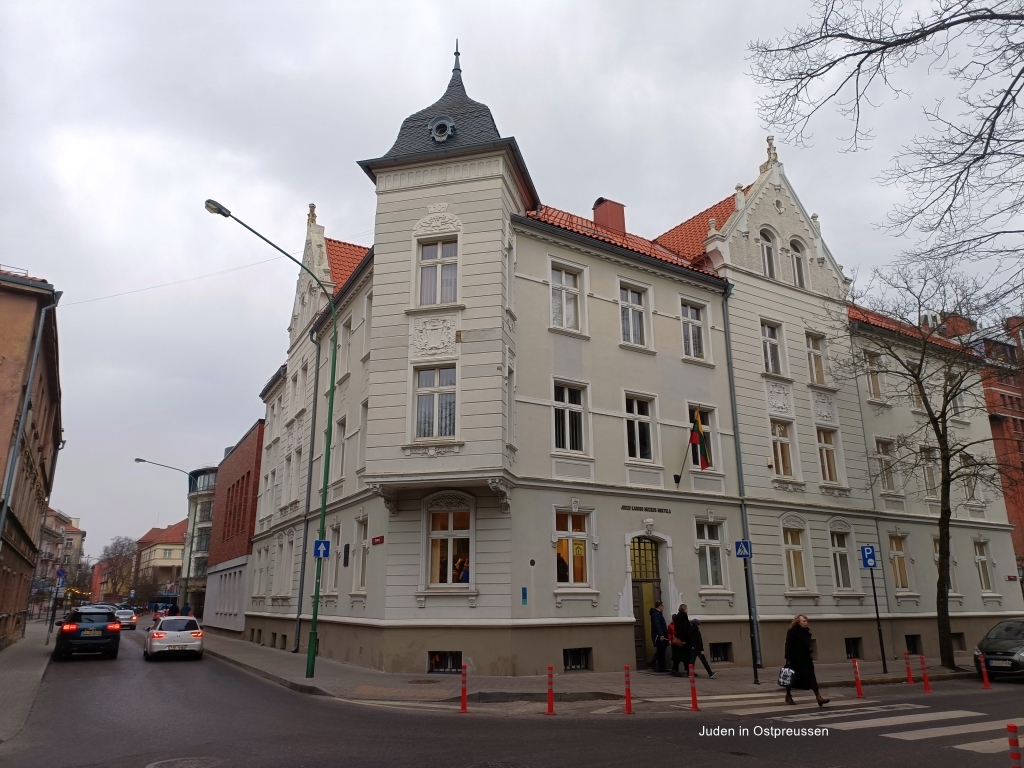
Memel Klaipeda: Töpferstr. 1a (Puodžių g. 4). The amber manufacturer Leib Leopold Karpus, who was originally from Palanga, purchased the house at Töpferstr. 1a in the 1920s. Karpus was the owner of an amber workshop. In 1938, he was commissioned to create a chess set for Lithuanian President Antanas Smetona. After its completion, it was displayed for several weeks before being sent to Kaunas. The Karpus family had four sons and two daughters. Only their son Benno survived the Holocaust and subsequently emigrated to the United States.
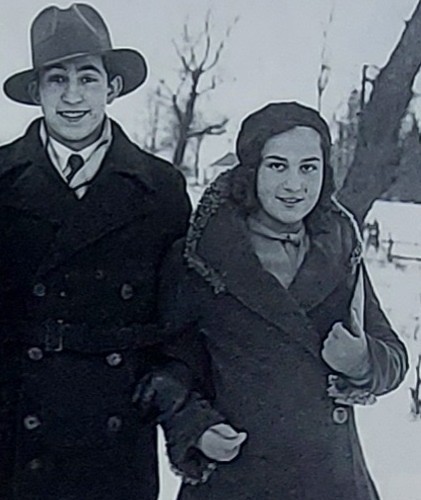
The photo shows siblings Daniel and Nora Karpus. Photo (c) Livio Sirovich
Memel Klaipeda: Grabenst. 5 (Sukilėlių g. 18) This house looked different before 1939, as it was plastered at that time. It belonged to the merchant Gerson Scher, who was originally from Memel. The gravestone of his mother, Johanna Scher, who came from Skuodas, can be viewed at the Jewish cemetery. Gerson Scher fled to Kaunas in 1939 with his wife Esther and their children Lina, Harry, and Siggi. The entire family was murdered there.
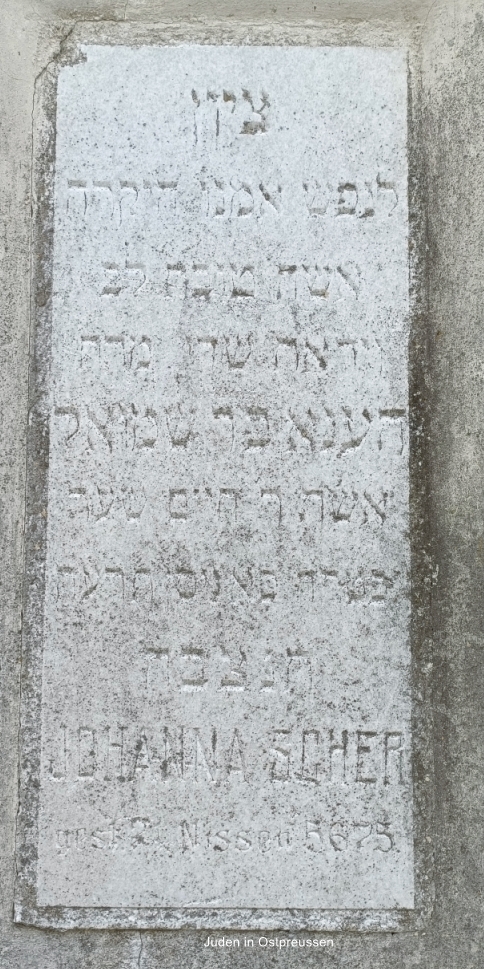
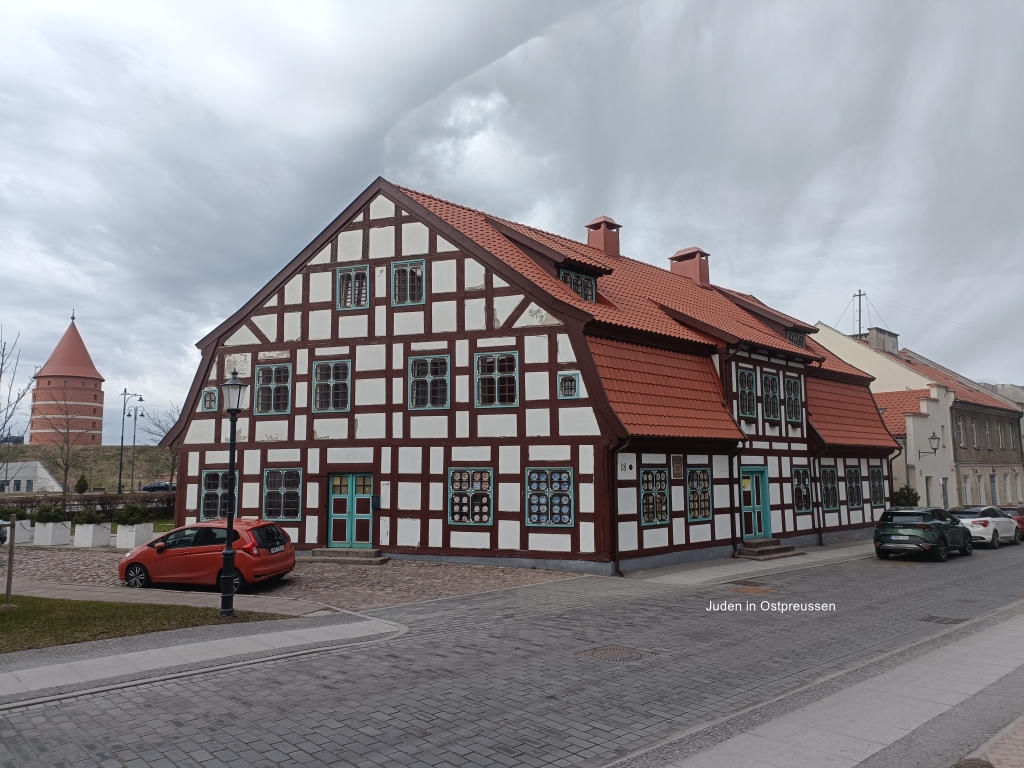
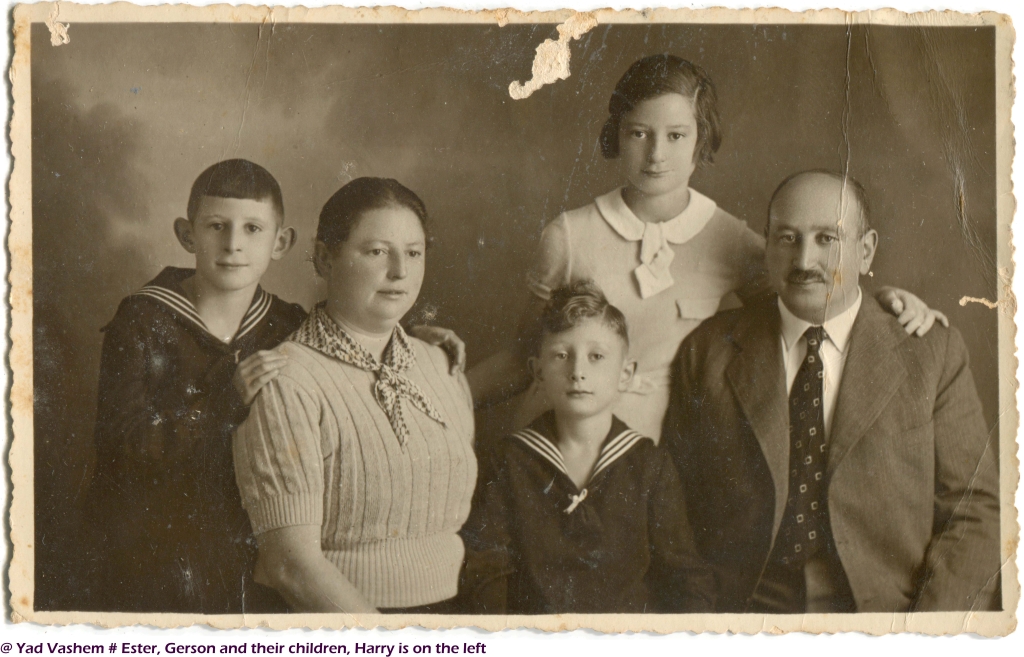
Photo: (c) Yad Vashem
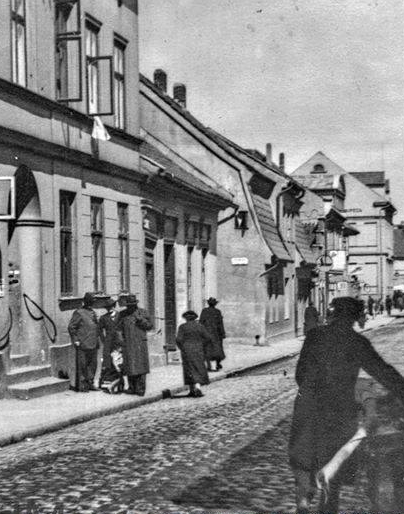
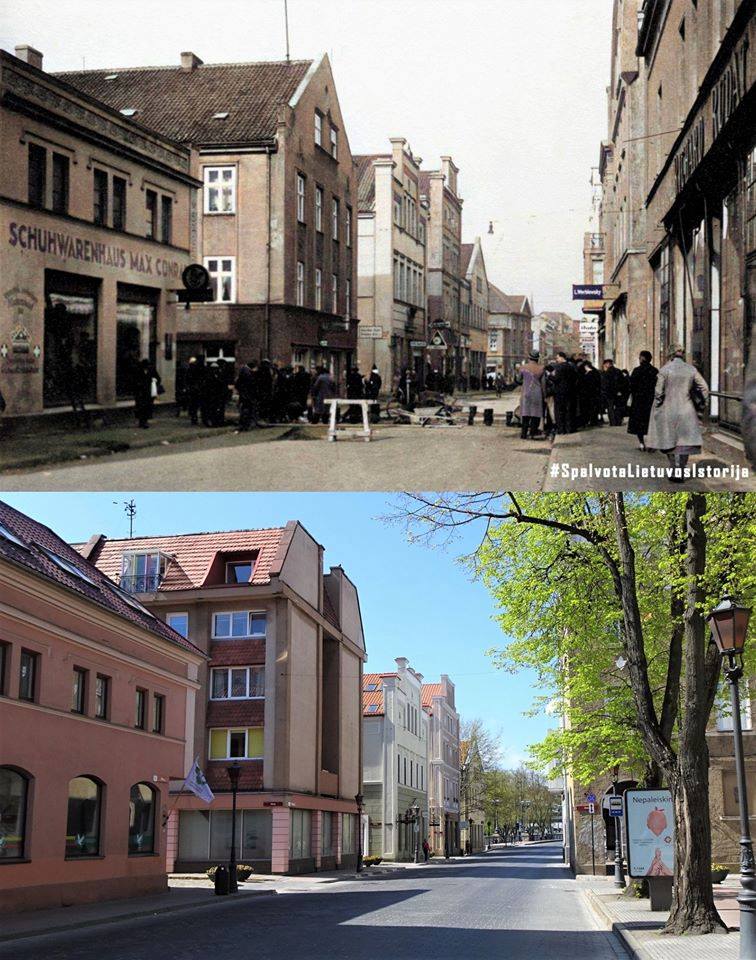
Memel Klaipeda: Friedrich-Wilhelm-Str. 29/30 (Tilto g. 6A) For several decades, the merchant Siegfried Rudeitzky and his wife Ernestine Willkowsky lived a house at this spot, which they also owned. They raised three daughters and two sons. In the spring of 1939, the Rudeitzkys fled to Skuodas, Ernestine’s birthplace. Their children and grandchildren fled to Kaunas, where most of them perished in the ghetto or in one of the forts. One granddaughter was hidden by Lithuanians, survived, and later moved to Israel. Photo from the family collection of K. Vinogradzki
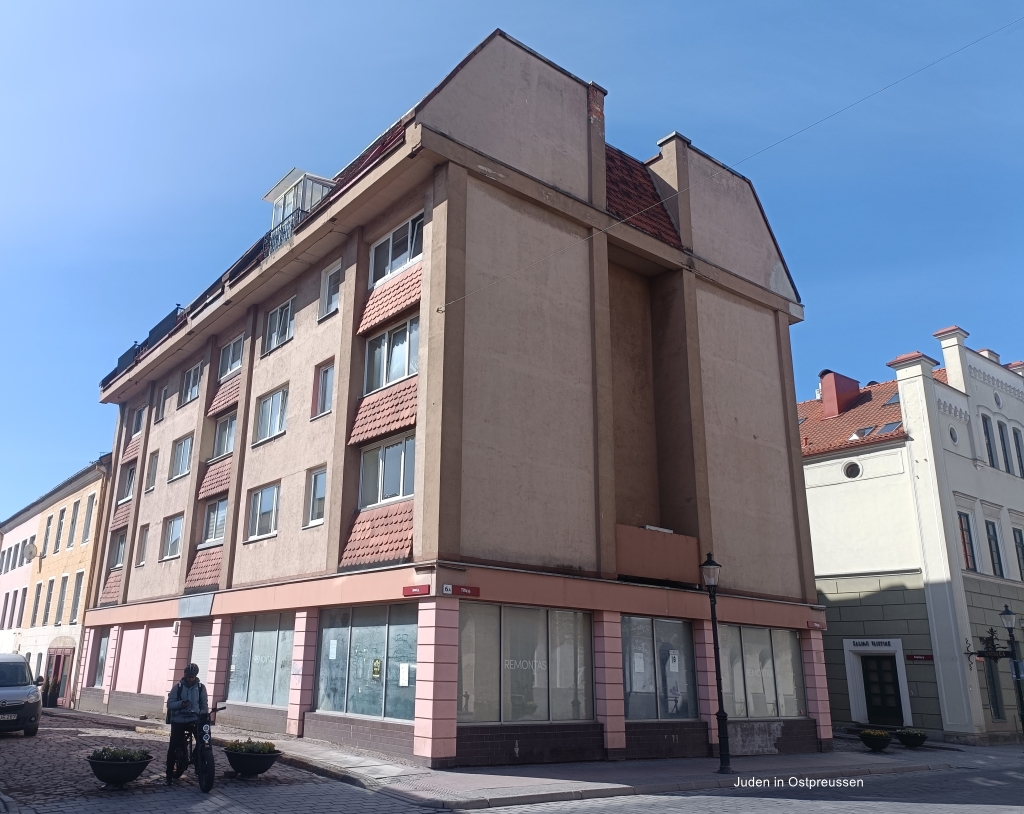
Right is a pre-war photo of the house, found on Facebook at SpalvotaLietuvosIstorija Contributed by: Rola Lora
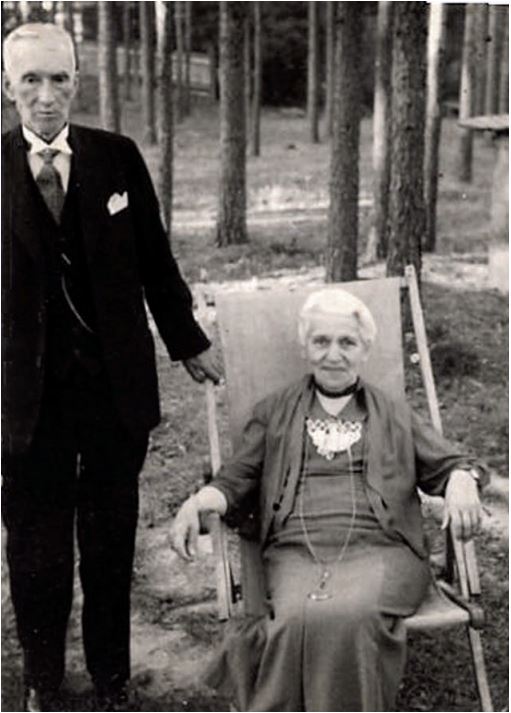
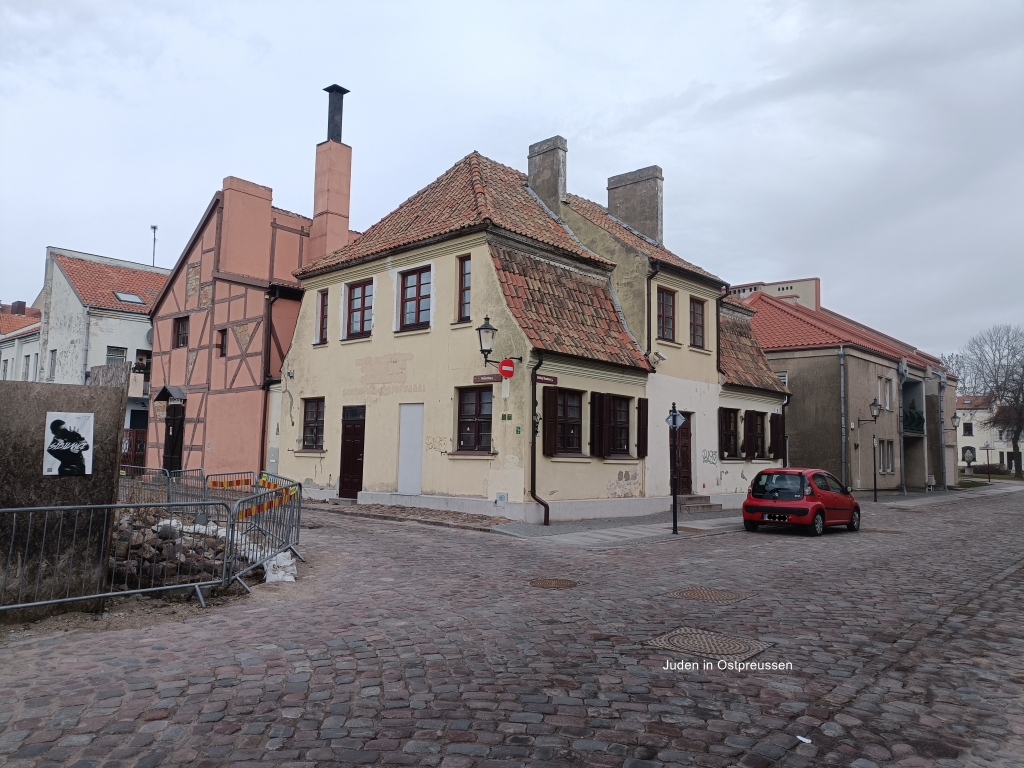
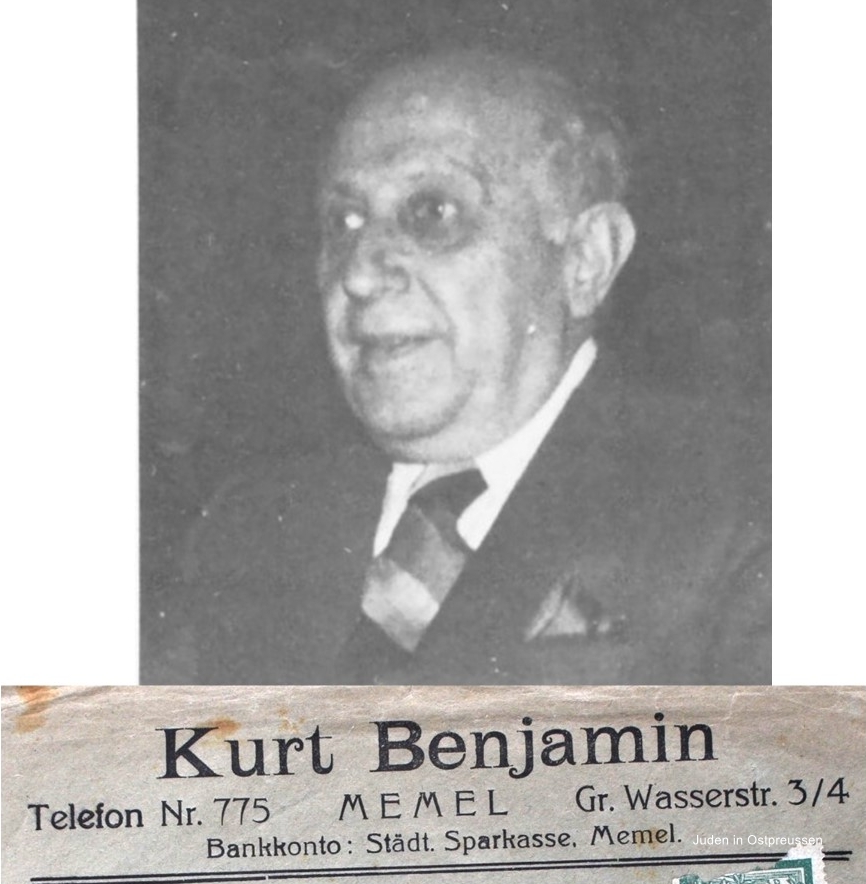
Memel Klaipeda: Große Wasserstr. 3/4 (Didžioji Vandens g. 5) The Benjamin family had lived in this house since at least 1909. The owner, merchant Schlomm Benjamin, was a descendant of Simon Benjamin, who had received a letter of protection for settlement in Memel as early as 1795. The widow Rahel Benjamin, née Scheer, sold the house in December 1938 before emigrating to Los Angeles with her three daughters and three sons. Kurt Benjamin well-known of their children. At the age of 20, he was elected to the city council by the Social Democrats in Memel in 1930.
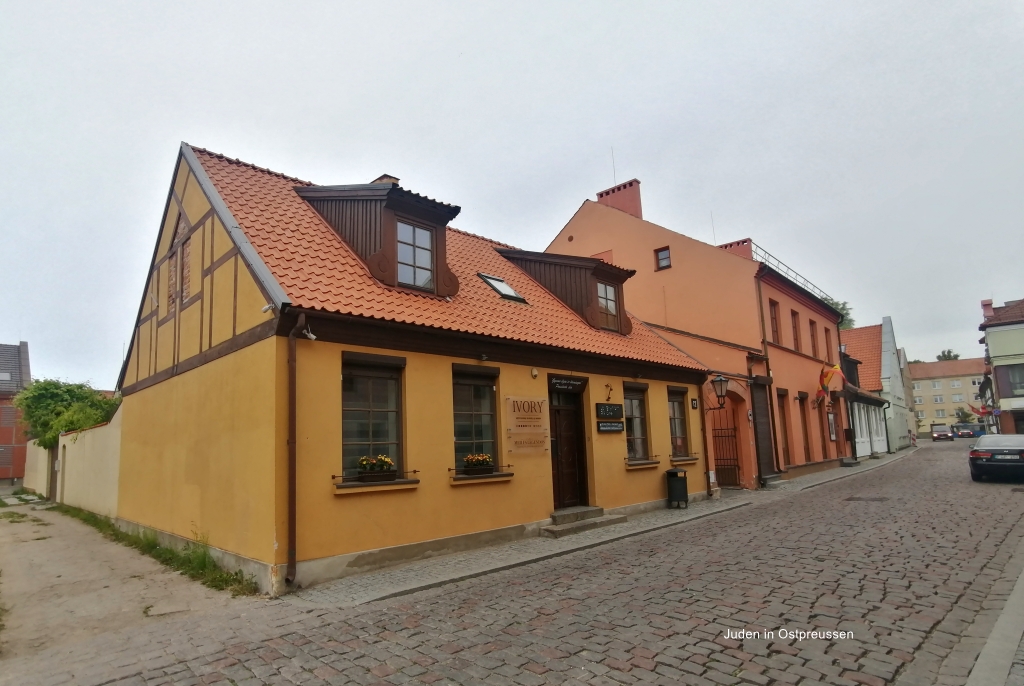
Memel Klaipeda: Baderstr. 3 (Daržų g. 12); The Kosher Butcher’s House; Isaak Eppelmann had been the community’s kosher butcher since at least 1890, if not earlier. He was originally from Laižuva (in northern Lithuania) and died in 1916. The Eppelmann family home was subsequently sold.
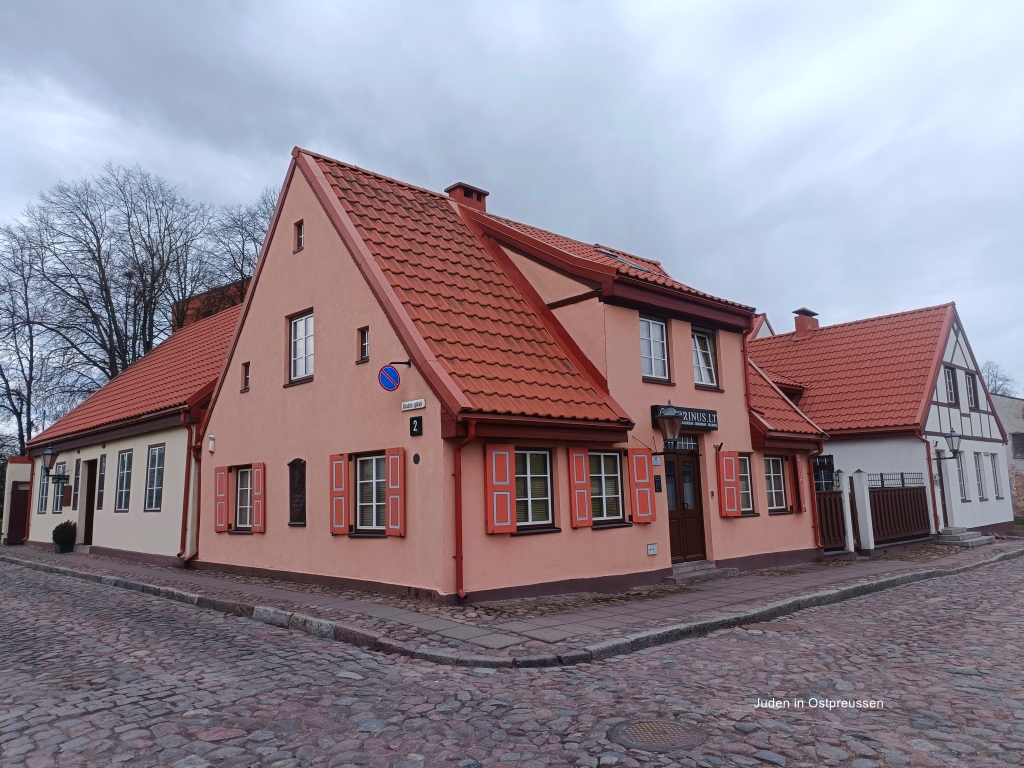
Memel Klaipeda: Schlächterstr. 1 (Bružės g. 2). His successor, Gerson Rosenkowitz, who came from Šilalė and had previously served as a shochet in Kelmė, bought his own house after a few years at Schlaechterstr. (Bružės g. 2). Thus, there are two shochet houses in present-day Klaipėda.
How did the Germans’ final annexation venture before World War II affect the Jews and the city? To address this, changes in ownership were first identified in various documents and press reports from both Germany and abroad and then plotted on a map—the result was a colorful tapestry—Jewish life was closely interwoven with the city. Who benefited from these changes, and were they beneficial for the development of the city, which suddenly found itself on the outskirts of East Prussia again?
Ruth Leiserowitz’s lecture in Klaipeda “Memel after March 23—A City Without Jews?” on March 23, 2026. The event was organized by the Minor Lithuanian Museum in Klaipėda, the Klaipėda Jewish Community, and the Historical Institute of Klaipėda University.

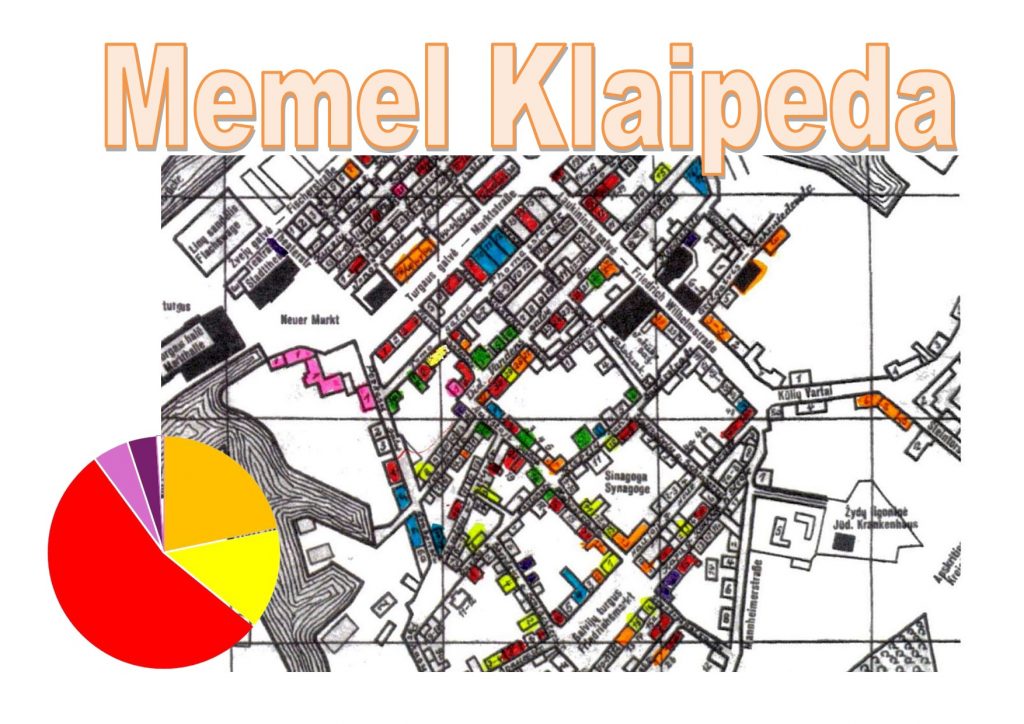
Ownership structures in 1942; of the approximately 200 residential buildings that could be identified as Jewish property, the majority were privately owned, many were administered by the “Treuhand” (Trust office) and owned by the city of Memel, and 10 buildings became Nazi institutions.
Link to post of Prof. Dr. Ruth Leiserowitz’s presentation “KLAIPĖDA / MEMEL AFTER MARCH 23 – A CITY WITHOUT JEWS?”